
Best certificate programs for former military
Transitioning from military service to civilian life is a major shift. One of the biggest questions is: what are the best certificate programs for former military? You already have discipline, leadership, and technical abilities—now it’s about packaging them for the job market. Certificate programs are fast, focused, and often fully funded through VA benefits. They can lead to roles in cybersecurity, logistics, or skilled trades—fields that value your reliability and training. The key is choosing programs that recognize your experience and help you earn credentials quickly. With the right path, you can launch a new career in under a year.
🎭 Your advisor
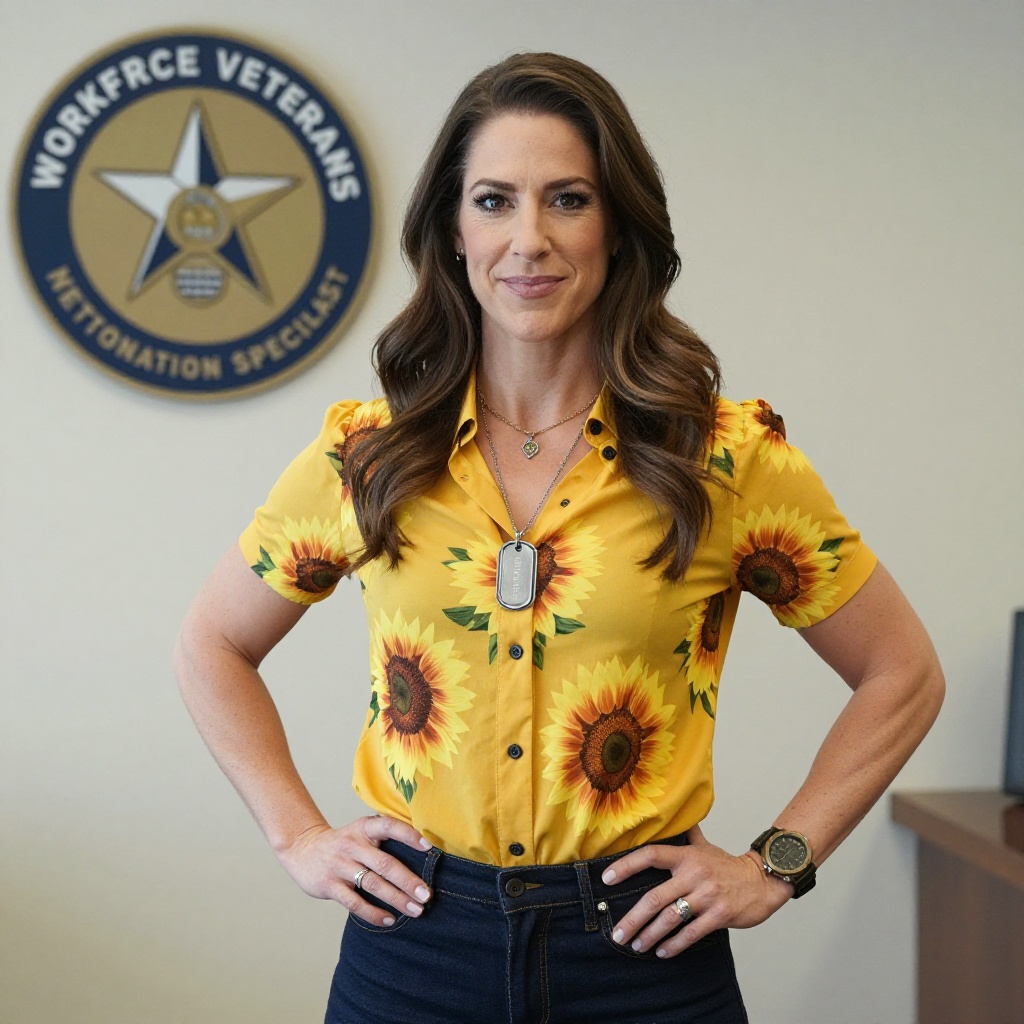
Danielle, 38
Workforce Integration Specialist supporting former military at a national veterans' employment nonprofit
Danielle is strong and athletic with a confident posture, wearing a sunflower-yellow blouse with dark jeans, dog tags under her collar, and a durable field watch—a blend of strength, style, and service pride.
💬 Conversation
Hi, I’m Danielle. I work one-on-one with veterans planning their next move. A big question: what are the best certificate programs for former military? I keep coming back to CompTIA A+ and Security+, CDL training, and Project Management Professional (PMP). These align with military roles and lead to real jobs.
I did comms in the Army. Can I get into cybersecurity?
Cybersecurity is a natural fit. Your clearance and analytical skills are gold. A Security+ certification can get you into roles like network analyst or SOC technician. Many employers actively recruit vets for these positions.
Are these programs covered under the GI Bill?
Yes—most are. The GI Bill covers approved certificate programs, and some schools even offer 100% tuition coverage through VA benefits. You can also stack it with state-level veteran grants.
✨ Key takeaways
- Choose certifications that match your military skills—like cybersecurity for intel, or CDL for convoy operators.
- Top programs include CompTIA, PMP, HVAC, and electrical licensing—all in high demand.
- Use your GI Bill or VA benefits to cover tuition and living expenses during training.
- Target veteran-friendly schools with dedicated support staff and job placement.
- Translate military experience into civilian terms: leadership, logistics, and crisis management.
⚙️ How it works:
- Create any AI character in one click inside Telegram
- Chat in real time with natural, expressive responses
- Ask follow-up questions, explore ideas, or build long stories
- Private, fast, and available anytime
Choose or create your own AI advisor and start chatting instantly
❓ FAQ
Is certification enough to get hired?
Often, yes—especially in tech and trades. Employers value standardized credentials because they prove baseline competence. Pair it with your military record, and you’re a strong candidate.
Should I go straight into a trade or stay in an office role?
It depends on what energizes you. Some veterans miss the physical work. Others prefer the stability of a desk job. Try job shadowing or short courses to test the fit before committing.
Is it true that some certifications let you test out based on military training?
Yes—some programs allow credit for military courses or experience. For example, if you worked on aircraft systems, you might skip modules in an aerospace tech program. Always ask.
What if I don’t know what I want to do?
That’s totally normal. Start with a skills assessment—many free ones are designed for veterans. Then explore low-cost intro courses in different fields. Clarity comes from action, not just thinking.
How long do most certificate programs take?
Most are 3–12 months. IT certifications like CompTIA can take 3–6 months of part-time study. Trade programs often run 6–9 months with full-time hands-on training.