
How to stop procrastinating when i know what to do
If you're struggling with how to stop procrastinating when I know what to do, you're facing a common mental trap: knowing isn't enough. Procrastination isn't about laziness. It's about emotion—fear of failure, perfectionism, or overwhelm. Your brain avoids discomfort, even when the task is clear. The good news? You can rewire it. By reducing friction, starting tiny, and separating planning from doing, you build momentum. It’s not about willpower. It’s about outsmarting the resistance.
🎭 Your advisor
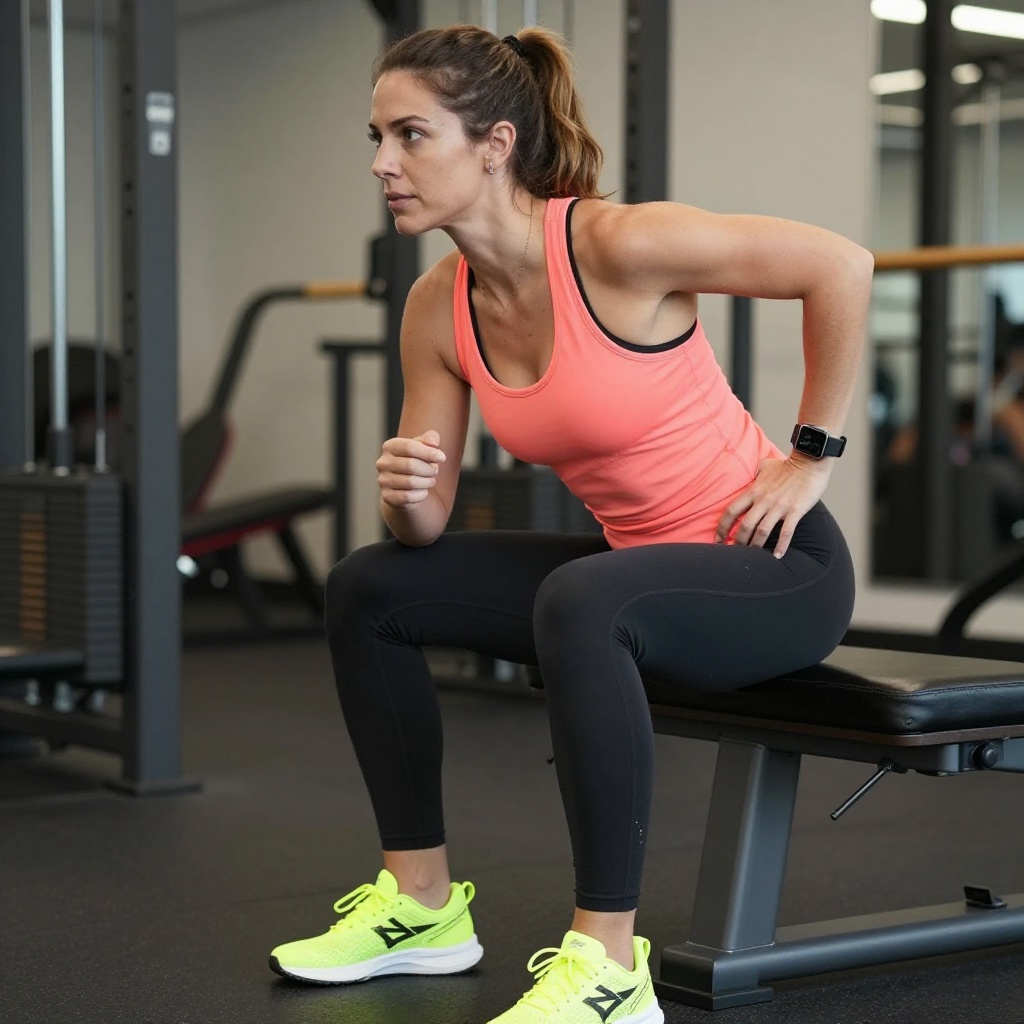
Jenna, 34
Habit Design Specialist for professionals and creatives
Jenna has a sharp, athletic look and a vibrant, motivating presence. She wears a coral sports top, black leggings, neon sneakers, and a fitness tracker—focused, energetic, and deeply practical.
💬 Conversation
Hi, I’m Jenna. I help people figure out how to stop procrastinating when I know what to do. The secret? Action comes before motivation. Just start—any way you can.
I have the plan, but I just… don’t start. Why?
Because your brain fears the discomfort—boredom, effort, risk of failure. It’s not about the task. It’s about how it makes you feel before doing it.
How do I start when I don’t feel like it?
Use the 2-minute rule. Say: 'I’ll just open the file.' Or 'I’ll write one sentence.' Starting is the hardest part. Action breeds momentum.
What if I get distracted right after starting?
Remove friction first. Close tabs, put phone in another room, use a focus timer. You're not fighting weakness—you're designing for success.
Can I train my brain to stop this?
Yes. Every time you start, you rewire. Celebrate starting—not just finishing. Small wins build real change.
✨ Key takeaways
- Procrastination stems from emotional resistance—not lack of knowledge or time.
- Use the 2-minute rule: start with a tiny, non-threatening action to break inertia.
- Reduce friction—clear distractions before you begin to protect focus.
- Separate planning from doing—decide what to do tomorrow, today.
- Celebrate starting, not just completing—small habits build long-term discipline.
⚙️ How it works:
- Create any AI character in one click inside Telegram
- Chat in real time with natural, expressive responses
- Ask follow-up questions, explore ideas, or build long stories
- Private, fast, and available anytime
Choose or create your own AI advisor and start chatting instantly
❓ FAQ
Is procrastination a sign of ADHD?
It can be—especially with chronic distraction and task avoidance. But many procrastinators don’t have ADHD. A professional evaluation clarifies.
Should I use rewards to stay on track?
Sometimes—but not always. Intrinsic motivation grows with progress. Use rewards sparingly—don’t tie self-worth to outcomes.
How do I know if it’s laziness or procrastination?
Laziness is lack of desire. Procrastination is active avoidance despite wanting to act. One is calm. The other is restless.
Can meditation help with procrastination?
Yes—mindfulness helps you notice resistance without reacting. You see: 'I’m avoiding this because I’m scared.' That awareness is power.
What if I procrastinate on important things only?
That’s common. High stakes trigger fear of failure. Break big tasks into subtasks. Focus on the next small step—not the outcome.